Dry or wet milling: which machine should your lab choose?
The cooling method decides which materials a mill handles well. A quick comparison to match the machine to your case mix.
Dental Asia1 min read
What is the difference
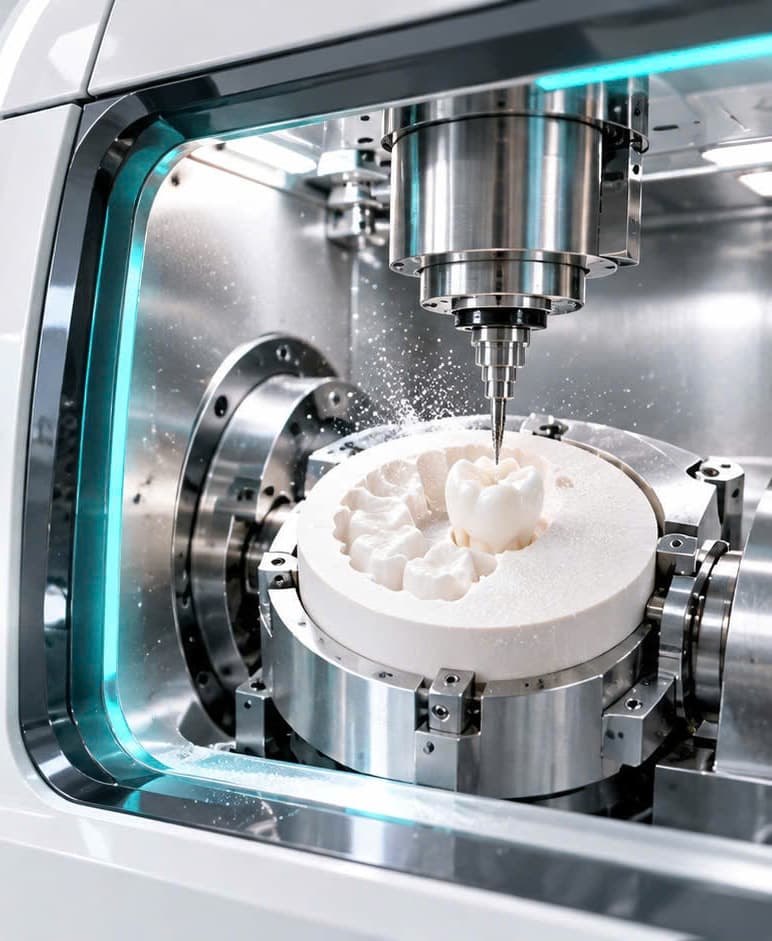
Dry mills clear chips with compressed air and extraction; wet mills spray coolant continuously onto the tool and blank. The cooling method decides which materials a machine handles well.
Dry milling suits
- Pre-sintered zirconia discs
- PMMA, wax and PEEK
- Labs that want overnight batches with no coolant maintenance
Wet milling suits
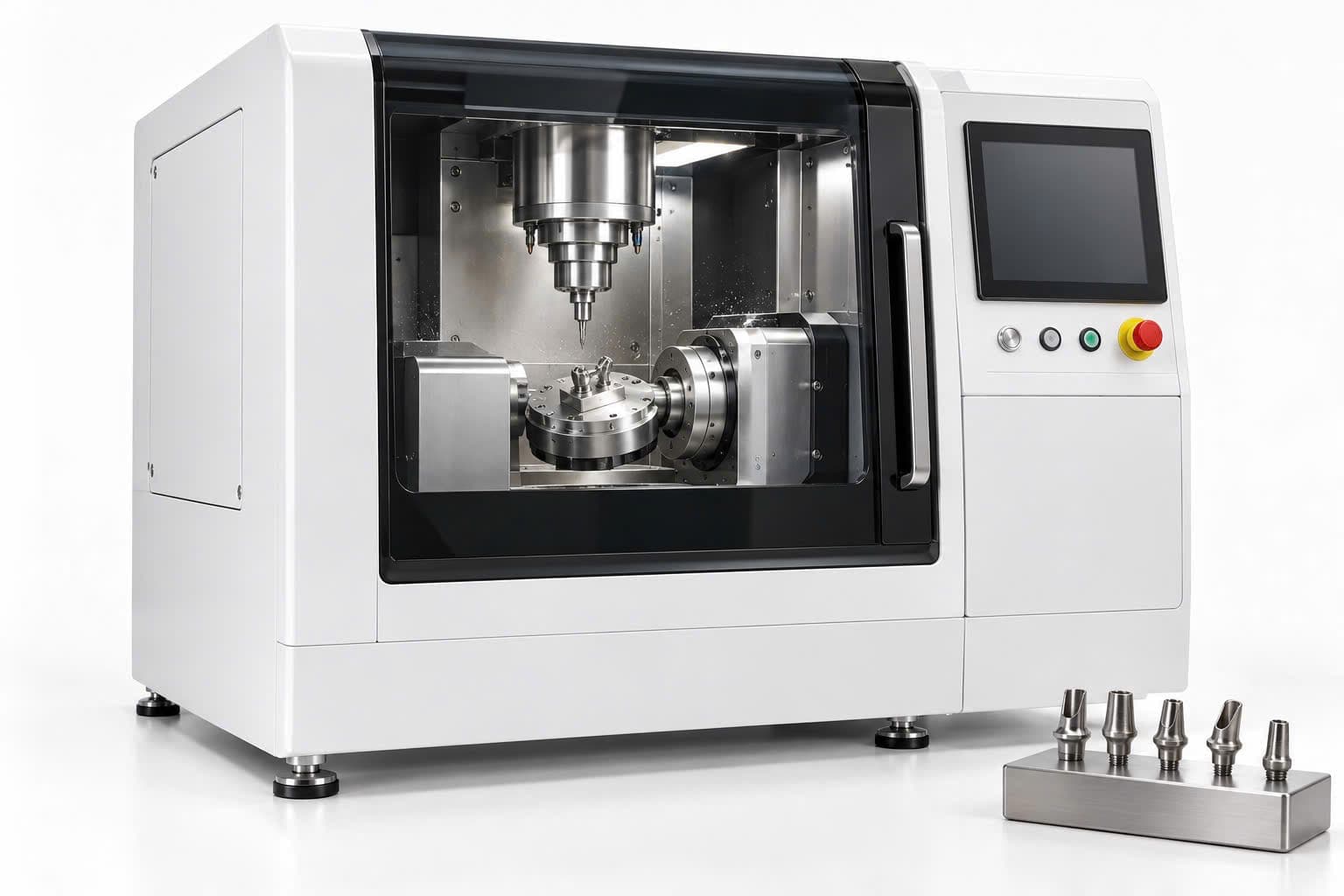
- Titanium and CoCr — metals that generate a lot of heat when cut
- Glass ceramic (lithium disilicate) blocks, which crack if overheated
- Custom abutments from pre-milled blanks
Where should a lab start
Most labs start with a dry mill for zirconia, since that is usually their largest case group. As implant and metal framework cases grow, adding a wet mill lets the lab make abutments in-house instead of outsourcing them.
There is no “best” mill — only the mill that fits your lab’s case mix.